
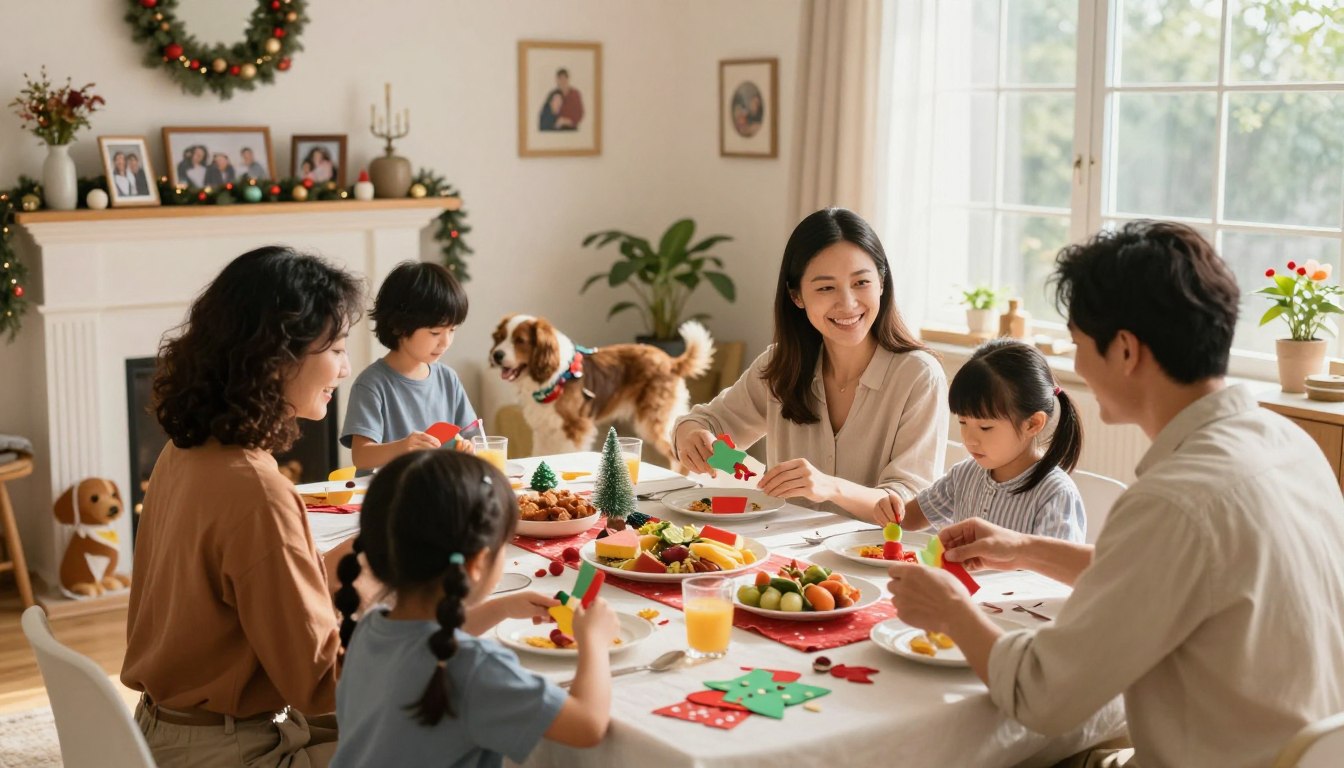
Did you know that children who share regular family rituals are 20% more likely to have higher emotional resilience? This small statistic highlights the massive impact of simple, repeated actions. Focusing on building healthy traditions at home provides your kids with a solid foundation for growth.
Life gets busy, but carving out time for your loved ones is vital. You do not need a huge budget or a lot of space to make an impact. Instead, focus on consistency and genuine connection during your daily life.
Starting these routines today creates a legacy of wellness and joy. These practices help reduce stress and boost the overall mood for everyone in the house. Welcome to your journey toward a more connected and vibrant household.
Key Takeaways
- Rituals improve emotional resilience in children significantly.
- Consistency is more important than expensive activities.
- Shared habits create a strong sense of belonging.
- Wellness routines reduce daily stress levels for parents.
- Meaningful connections form the heart of a household.
- Small daily actions lead to long-term family bonds.
Why Family Traditions Matter for Your Home
Family traditions play a vital role in shaping the home environment, making it more loving and connected. These traditions are not just rituals; they are the fabric that weaves your family’s history, values, and love together. By engaging in regular family bonding activities, you create opportunities for meaningful interactions and memories.
The importance of family traditions lies in their ability to provide a sense of belonging and identity among family members. They help in creating a stable and predictable environment, especially for children, which is crucial for their emotional and psychological development. Moreover, family traditions foster a sense of unity and cooperation, bringing family members closer together.
Family traditions offer numerous emotional and psychological benefits. They provide a framework for expressing love, gratitude, and appreciation among family members. For instance, sharing a meal together daily or weekly can become a cherished tradition that not only nourishes the body but also strengthens family bonds. Such traditions can be a source of comfort, joy, and support, enhancing overall family well-being.
Some examples of meaningful family traditions include:
- Having a weekly dinner together
- Observing cultural or religious rituals
- Engaging in outdoor activities or sports together
- Celebrating special occasions with unique family rituals
- Creating annual or seasonal traditions, such as decorating the house together
In conclusion, family traditions are essential for building a strong, loving home environment. They provide a foundation for family bonding, emotional security, and a sense of belonging. By understanding and embracing the importance of family traditions, you can cultivate a more harmonious and connected family life.
What Makes a Family Tradition Truly Healthy
Healthy family traditions play a significant role in promoting overall family wellness. These traditions not only bring family members closer together but also contribute to their physical and emotional well-being. By incorporating activities that promote health and togetherness, families can create lasting memories and a supportive environment.
Promotes Physical Health and Activity
One of the key characteristics of healthy family traditions is their ability to promote physical health and activity. Engaging in regular physical activities together, such as going for walks, playing sports, or simply playing active games indoors, can significantly improve the overall health of family members.
For example, starting the day with a morning jog or a yoga session together can set a positive tone for the day. Similarly, planning weekly outdoor activities like hiking or cycling can encourage everyone to stay active.
Strengthens Emotional Bonds and Communication
Healthy family traditions also strengthen emotional bonds and improve communication among family members. Activities that encourage sharing, empathy, and understanding can foster a deeper connection within the family.
Having regular family dinners where everyone shares their day’s experiences or practicing gratitude by sharing things they’re thankful for can significantly enhance emotional bonding.
Creates Predictability and Security
Another important aspect of healthy family traditions is that they create predictability and security for family members. Having a routine or tradition that is followed regularly can provide a sense of stability and comfort.
For instance, having a consistent bedtime routine or a special way of celebrating birthdays and holidays can make family members feel secure and loved.
| Tradition | Benefits | Examples |
|---|---|---|
| Physical Activities | Improves physical health, promotes bonding | Morning jogs, family sports days |
| Shared Meals | Enhances communication, fosters gratitude | Weekly dinner gatherings, cooking together |
| Consistent Routines | Provides predictability, sense of security | Bedtime stories, holiday celebrations |
Building Healthy Traditions at Home: A Step-by-Step Approach
Developing healthy family traditions is a straightforward process that can significantly impact your family’s quality of life. By following a few simple steps, you can create meaningful rituals that promote physical and emotional well-being, strengthen family bonds, and create lasting memories.
Step 1: Identify What Matters Most to Your Family
The first step in building healthy family traditions is to identify your family’s core values and what matters most to you. This involves having open discussions with all family members to understand their interests, needs, and priorities.
Key considerations:
- Family values and principles
- Interests and hobbies of family members
- Goals for physical and emotional well-being
As the renowned family therapist, Dr. Laura Markham, once said, “When we create rituals, we create a sense of continuity and connection.” This quote highlights the importance of identifying and establishing traditions that resonate with your family’s values.
Step 2: Take Inventory of Your Current Routines
Assessing your current daily and weekly routines is crucial in determining which traditions to establish or modify. Take note of your family’s schedule, activities, and habits to identify areas where you can introduce new traditions or improve existing ones.
| Current Routine | Frequency | Potential for Tradition |
|---|---|---|
| Morning Exercise | Daily | Turn into a family activity |
| Family Dinner | Weekly | Make it a regular tradition with a specific theme |
| Outdoor Activities | Monthly | Increase frequency and make it a regular event |
Step 3: Involve Everyone in the Planning Process
Involving all family members in the planning process is vital to ensure that everyone is committed to and excited about the new traditions. Encourage each member to contribute their ideas and suggestions.

Step 4: Choose One or Two Traditions to Start
To avoid overwhelming yourselves, start with one or two traditions that you’re excited about and that align with your family’s values and goals. As you establish these traditions, you can always add more over time.
“The way we spend our time is the way we spend our lives.”
By following these steps and starting small, you can create a strong foundation for healthy family traditions that will bring joy and unity to your home.
Create Daily and Weekly Traditions for Physical Wellness
To cultivate a healthier lifestyle, incorporating daily and weekly family traditions is essential. By doing so, you can foster an environment that promotes physical activity, healthy eating, and overall family wellness.
Daily routines can set the tone for a healthy lifestyle. Consistency is key to developing habits that benefit the whole family.
Establish Active Morning or Evening Routines
Starting the day with a morning routine that includes physical activity can boost energy levels and set a positive tone. Consider activities like yoga, jogging, or even a simple morning walk. Alternatively, an evening routine that involves a family walk or some light stretching can help unwind and prepare for a restful night’s sleep.
For example, you could try a morning routine that includes a 10-minute yoga session or a short jog around the neighborhood. This not only promotes physical health but also creates quality time for the family to bond.

Plan Weekly Family Meals Together
Planning and preparing meals together as a family can be a fun and engaging way to promote healthy habits for families. By involving everyone in the process, you can ensure that meals are not only nutritious but also enjoyable for all.
Choose a day each week to plan your meals, make a grocery list, and prepare dinner together. This tradition can help create a sense of unity and cooperation while promoting healthy eating habits.
- Involve children in meal planning to encourage them to try new foods.
- Make a grocery list together to ensure everyone is on the same page.
- Prepare meals that are not only healthy but also enjoyable for the whole family.
Make Movement and Outdoor Time a Priority
Incorporating outdoor activities for families into your weekly routine can have a significant impact on physical health. Activities such as hiking, biking, or simply playing games in the park can be enjoyable for all ages.
Schedule a weekly outdoor activity that everyone can look forward to. This could be as simple as a family bike ride or a visit to a local park. The key is to make it a consistent part of your family’s routine.
By prioritizing physical activity and outdoor time, you can help create a healthier, more active lifestyle for your family.
Develop Traditions That Nurture Emotional Health
Nurturing emotional health through family traditions can have a lasting impact on your loved ones. By incorporating practices that promote emotional well-being, you can create a supportive and loving environment that benefits everyone.
Practice Daily Gratitude Sharing
One powerful way to nurture emotional health is through daily gratitude sharing. Take a moment each day to gather together and share three things you’re thankful for. This practice helps to shift focus from what’s lacking to what you already have, fostering a positive and appreciative mindset.
As grateful people tend to be happier and more resilient, incorporating gratitude into your daily routine can have a significant impact on your family’s emotional well-being. You can make this a part of your dinner routine or do it during a bedtime ritual, making it a consistent and comforting tradition.
Create Special One-on-One Time Rituals
Spending quality one-on-one time with each family member is essential for building strong emotional bonds. Create special rituals that allow you to connect with each person individually, such as having a weekly coffee date with your teenager or reading together with your younger child before bed.
These one-on-one rituals provide an opportunity for meaningful connection and help to strengthen your relationship with each family member. By prioritizing this time, you show that you value and care for each person, promoting a sense of security and love.
Honor Achievements and Milestones Meaningfully
Celebrating achievements and milestones is an important way to nurture emotional health within your family. Create meaningful traditions around these events, such as having a special dinner or creating a family ritual to mark the occasion.
By acknowledging and honoring achievements, you help to build confidence and reinforce positive behaviors. This can be as simple as making a big deal out of a child’s good grades or recognizing a family member’s hard work on a project.
Build Bedtime Connection Routines
Bedtime routines are not just about getting kids to sleep; they’re also an opportunity to connect and nurture emotional health. Establish a calming and predictable bedtime routine that includes activities like reading, storytelling, or gentle conversation.
These bedtime connection routines help to create a sense of security and comfort, making it easier for family members to wind down and prepare for sleep. By prioritizing this time, you can help to promote better sleep and emotional well-being.
“The way we spend our time is the way we spend our lives.” This quote highlights the importance of prioritizing time with our loved ones and creating meaningful traditions that nurture emotional health.
Keep Your Family Traditions Alive and Thriving
To keep your family traditions alive, it’s essential to strike a balance between consistency and flexibility. This balance allows your traditions to remain meaningful and enjoyable for all family members.
As you embark on this journey, remember that starting simple is key. By beginning with straightforward traditions, you can build a strong foundation that will support more complex and meaningful practices over time.
Start Simple and Add Gradually
When introducing new traditions, it’s crucial to start with simple, manageable practices. This approach helps prevent overwhelm and ensures that everyone can participate and enjoy the process.
- Begin with one or two traditions that resonate with your family’s values and interests.
- Gradually add more traditions as your family becomes more comfortable with the new practices.
- Be patient and remember that the goal is to create lasting, meaningful experiences.
As the saying goes, “Rome wasn’t built in a day.” Similarly, your family’s traditions won’t develop overnight, but with persistence and dedication, they will flourish.
“Tradition is not the worship of ashes, but the preservation of fire.”
Stay Flexible When Life Gets Busy
Life is unpredictable, and your family’s schedule can change suddenly. To maintain your traditions, it’s vital to remain flexible and adapt to new circumstances.
| Life Event | Adaptation Strategy |
|---|---|
| Holiday gatherings | Adjust the date or simplify the menu to accommodate changing schedules. |
| School or work commitments | Reschedule traditions to fit around new obligations or scale back activities. |
| Illness or travel | Use technology to connect remotely or postpone celebrations until everyone can participate. |
Evolve Traditions as Children Grow
As your children grow, their interests and abilities will change. To keep traditions engaging, it’s essential to evolve them to suit different age groups.
For example, younger children might enjoy simple, interactive activities like storytelling or game nights, while older children and teenagers might prefer more complex activities, such as volunteering or outdoor adventures.
Document and Celebrate Your Family’s Unique Culture
Documenting your family’s traditions and history is a meaningful way to preserve your cultural heritage. Consider creating a family journal or scrapbook to record your experiences and memories.
By celebrating your family’s unique culture, you can strengthen your sense of identity and create a lasting legacy for future generations.
Conclusion
Building healthy family traditions is a powerful way to cultivate a more connected and healthier family life. By understanding the benefits of healthy family traditions, you can create a positive impact on your family’s physical and emotional well-being.
A summary of building healthy traditions reveals that it involves identifying what matters most to your family, taking inventory of your current routines, and involving everyone in the planning process. By establishing daily and weekly traditions, you can promote physical wellness, nurture emotional health, and create a sense of predictability and security.
As you start your journey, remember to keep your traditions simple, flexible, and evolving. Documenting and celebrating your family’s unique culture will help keep your traditions alive and thriving. By doing so, you’ll be able to reap the benefits of healthy family traditions, including stronger emotional bonds, improved physical health, and a more connected family life.