
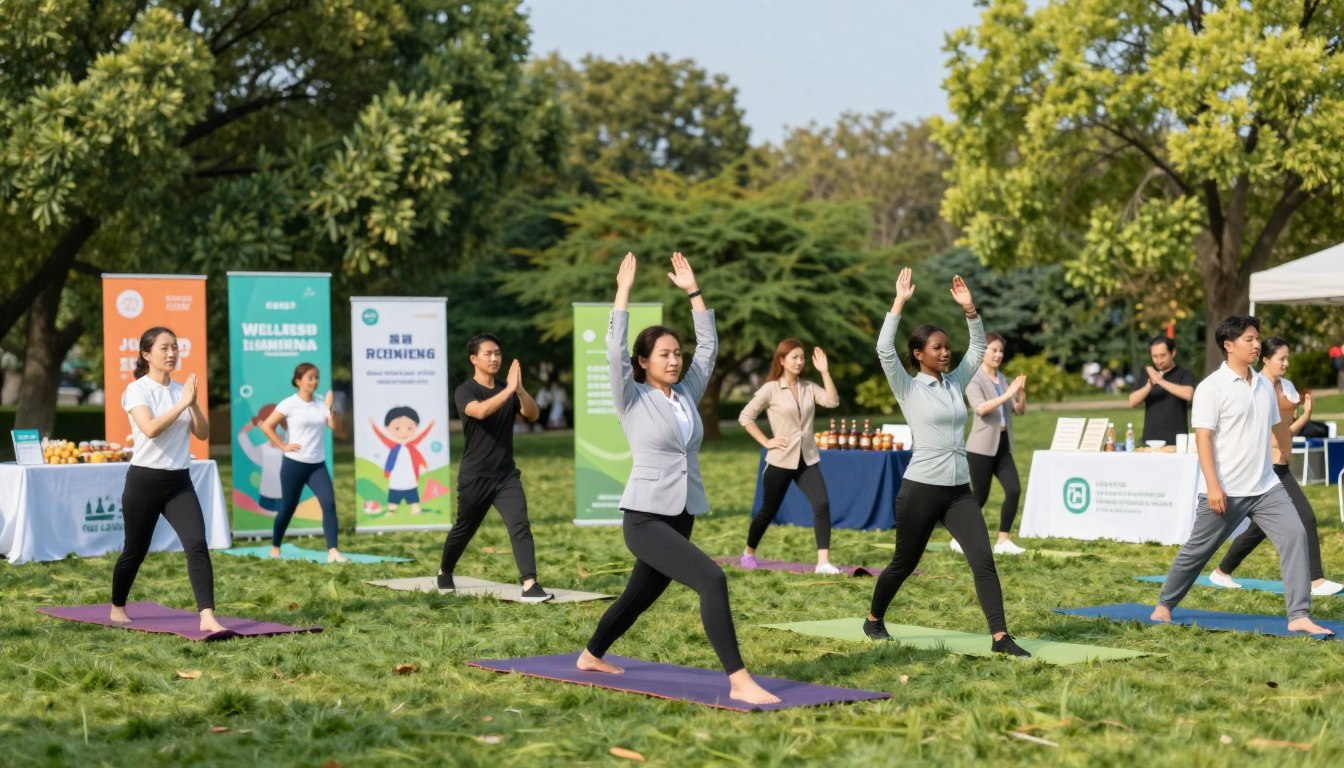
Did you know that exercising in groups can lower stress levels by a staggering 25 percent compared to working out alone? This surprising fact reveals why local movement matters so much for collective vitality. Strength in numbers truly changes how we feel every day.
Active neighborhoods foster stronger bonds plus better physical outcomes for everyone involved. When people come together for movement, they build a supportive network that lasts. This guide explores how wellness initiatives transform local areas into vibrant hubs of health.
Improving community health starts with simple, inclusive actions that invite neighbors to participate. We will examine various effective ways to boost neighborhood energy through shared goals as well as group activities. Such efforts create a lasting impact on your life plus your surroundings.
Individuals who maintain regular participation in these programs often report higher happiness scores. By focusing on social connection, we bridge the gap between physical effort plus emotional support. Let us look at how these local programs reshape our daily lives for the better.
Local regions thrive when people prioritize collective movement. Joining a group provides motivation that solo routines frequently lack. These shared moments foster a sense of belonging that supports mental clarity throughout the busy work week.
Key Takeaways
- Group exercise reduces stress levels by 25 percent.
- Shared activities build stronger social bonds among neighbors.
- Inclusive programs improve overall neighborhood vitality.
- Supportive networks encourage long-term habit changes.
- Vibrant hubs offer accessible resources for every resident.
- Participation in local movement boosts collective happiness.
What Community Fitness and Wellbeing Really Means
At its core, community fitness and wellbeing are about creating environments that support the overall health of community members. This involves a multifaceted approach that includes physical activity, social interaction, and access to resources that promote healthy living.
Defining Community-Based Health Initiatives
Community-based health initiatives are programs or activities designed to improve the health and wellbeing of individuals within a specific geographic area or community. These initiatives can range from organized fitness classes to educational workshops on nutrition and health.
Key characteristics of community-based health initiatives include:
- Involvement of community members in the planning and implementation process
- Focus on addressing specific health needs or gaps in healthcare services within the community
- Collaboration with local organizations, healthcare providers, and government agencies
The Social and Physical Benefits Combined
Community fitness and wellbeing initiatives offer a combination of social and physical benefits. On the physical side, regular exercise and healthy behaviors can lead to improved cardiovascular health, weight management, and reduced risk of chronic diseases.
Social benefits include:
- Increased social connections and a sense of community
- Support networks that encourage continued participation in healthy behaviors
- Opportunities for community engagement and volunteerism
How Community Support Drives Long-Term Success
Community support is crucial for the long-term success of fitness and wellbeing initiatives. When community members feel invested in a program, they are more likely to participate and encourage others to do the same.
Factors that contribute to community support include:
- Effective communication and outreach efforts
- Inclusive programming that meets the diverse needs of the community
- Visible support from local leaders and organizations
Assess Your Community’s Health and Fitness Needs
Assessing the health and fitness landscape of your community is the first step towards building a successful wellness program. This involves understanding the specific needs, preferences, and challenges faced by local residents.
Survey Your Neighbors and Local Residents
Conducting a survey is an effective way to gather information about the health and fitness needs of your community. You can use online survey tools or distribute paper questionnaires at local community centers, libraries, or places of worship. Ask about their current fitness activities, interests, and any barriers they face in pursuing a healthier lifestyle.
For instance, you might discover that many residents are interested in group fitness classes but lack access to affordable options. This insight can guide your program development.
Identify Existing Resources and Missing Services
Take stock of the existing health and fitness resources in your community, such as gyms, parks, recreation centers, and wellness programs. Identify what’s working well and what’s missing. Create a list of the resources available and the gaps in services.
| Existing Resources | Gaps in Services |
|---|---|
| Local gyms and fitness studios | Limited affordable options for low-income families |
| Public parks and walking trails | Insufficient lighting and safety measures in some areas |
| Community recreation centers | Limited programs for seniors and people with disabilities |
Consider Age Groups and Accessibility Requirements
Different age groups have unique health and fitness needs. For example, older adults may require more gentle, low-impact activities, while younger residents might be interested in high-energy workouts. Consider the accessibility of your planned programs and facilities, ensuring they are inclusive for people with disabilities.
By carefully assessing your community’s health and fitness needs, you can develop programs that are tailored to their specific requirements, enhancing the likelihood of success and long-term engagement.
Find Established Community Fitness Programs
Discovering existing community fitness programs is a great way to get involved in local health initiatives. Many communities already have programs in place that you can join, making it easier to get started.
Search Local Recreation Centers and Community Gyms
Local recreation centers and community gyms often host a variety of fitness programs. These can range from aerobics classes to sports leagues. To find these programs:
- Visit their websites or social media pages
- Check local newspapers or community boards
- Stop by in person to ask about their offerings
Explore Park District and Municipal Offerings
Park districts and municipal governments frequently offer fitness programs. These might include outdoor activities like hiking groups or fitness classes in local parks.
Some popular programs include:
- Outdoor yoga classes
- Community sports leagues
- Walking or jogging groups
Check Nonprofit Organizations and Churches
Many nonprofit organizations and churches offer fitness programs as part of their community outreach. These can be a great way to get involved while supporting a good cause.
Examples include:
- Fitness classes for specific age groups or demographics
- Charity runs or walks
- Community health fairs
Join Online Local Fitness Communities
In today’s digital age, online fitness communities are becoming increasingly popular. These can be a great way to connect with others who share your fitness interests.
To join:
- Search for local fitness groups on social media platforms
- Look for online forums or discussion groups focused on fitness
- Participate in virtual fitness challenges or events
Create Your Own Community Wellness Program
To establish a successful community wellness program, it’s essential to follow a structured approach. This involves several key steps that can help ensure the program is effective and sustainable.
Step 1: Build a Team of Committed Volunteers
The first step in creating a community wellness program is to build a team of committed volunteers. These individuals will be crucial in helping to plan, implement, and maintain the program. Look for people who are passionate about health and wellness and have a willingness to contribute their time and skills.
Volunteers can come from various backgrounds, including local fitness enthusiasts, healthcare professionals, and community leaders. By involving a diverse group of individuals, you can ensure that your program is well-rounded and meets the needs of a broad audience.
Step 2: Select Activities Based on Community Feedback
Once you have a team in place, the next step is to select activities based on community feedback. This involves gathering input from local residents to understand their interests and needs. You can do this through surveys, focus groups, or community meetings.
By involving the community in the planning process, you can ensure that the activities you offer are relevant and appealing to your target audience. This will help increase participation and engagement in the program.
Step 3: Find and Reserve Appropriate Spaces
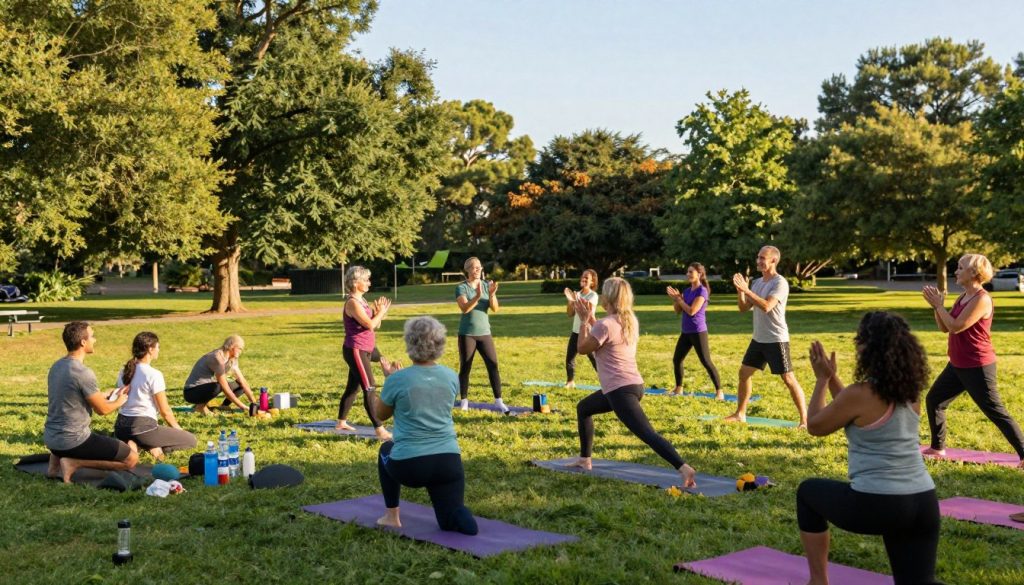
After determining the activities you will offer, the next step is to find and reserve appropriate spaces. This could include local parks, community centers, or other public venues. Ensure that the spaces you choose are accessible, safe, and suitable for the planned activities.
It’s also important to consider the availability of these spaces and plan your schedule accordingly. You may need to book venues in advance to ensure they are available at the times you need.
Step 4: Develop a Promotion and Outreach Strategy
The final step is to develop a promotion and outreach strategy to raise awareness about your community wellness program. This can include using social media, distributing flyers, and partnering with local organizations to promote your activities.
A well-planned promotion strategy will help attract participants and build a strong community around your program. Be sure to highlight the benefits of your program and make it easy for people to get involved.
Choose the Right Activities for Your Community
The diversity and inclusivity of fitness activities are vital for engaging a broad spectrum of community members. A well-rounded program should cater to various interests and fitness levels, ensuring that everyone finds something they enjoy.
When planning activities, it’s essential to consider the demographics and preferences of your community. This will help in selecting exercises that are not only popular but also suitable for the age and fitness levels of your participants.
Walking Groups and Running Clubs
Walking groups and running clubs are excellent ways to encourage cardiovascular health and build a sense of community among participants. These activities are low-cost, accessible, and can be adapted to different fitness levels.
Benefits of Walking Groups:
- Improved cardiovascular health
- Weight management
- Social interaction
Outdoor Boot Camps and Circuit Training
Outdoor boot camps and circuit training offer a more intense workout, often in a group setting that fosters camaraderie and healthy competition. These activities can be modified to suit different fitness levels and are effective for improving overall fitness.
Key advantages include:
- Variety in exercises
- Improved strength and endurance
- Motivational group environment
Recreational Sports Leagues
Recreational sports leagues are another engaging way to promote physical activity while fostering teamwork and social interaction. Sports like soccer, basketball, and volleyball are popular choices.
| Sport | Age Group | Skill Level |
|---|---|---|
| Soccer | 18-65 | Beginner to Advanced |
| Basketball | 16-60 | Intermediate to Advanced |
| Volleyball | 18-70 | Beginner to Advanced |
Yoga, Tai Chi, and Wellness Classes
Yoga, Tai Chi, and other wellness classes focus on flexibility, balance, and mental wellbeing. These activities are beneficial for participants of all ages and can be adapted to different fitness levels.
Benefits of Yoga and Tai Chi:
- Improved flexibility and balance
- Reduced stress
- Enhanced mental clarity
Build Inclusive Programs That Welcome Everyone
Inclusive fitness programs are essential for fostering a sense of community and promoting overall wellbeing. By designing programs that cater to diverse needs and backgrounds, communities can ensure that everyone feels welcome and included.
Designing Multi-Generational Activities
Creating activities that appeal to different age groups is vital for a multi-generational community fitness program. This can include exercises that are suitable for older adults, such as gentle yoga or walking groups, alongside more energetic activities like boot camps or sports leagues for younger participants.
For example, a community center in California successfully implemented a multi-generational fitness program that included intergenerational dance classes, where grandparents and grandchildren could exercise together.
Offering Modifications for All Fitness Levels
It’s crucial to offer modifications that cater to different fitness levels, ensuring that everyone can participate and benefit from the program. This can be achieved by providing options for low-impact exercises or offering alternative movements for those with mobility issues.
| Fitness Level | Exercise Modifications |
|---|---|
| Beginner | Chair yoga, short walks |
| Intermediate | Brisk walking, bodyweight exercises |
| Advanced | Running, high-intensity interval training (HIIT) |
Removing Financial Barriers to Participation
Financial constraints can be a significant barrier to participation in fitness programs. Communities can address this by offering free or low-cost programs, scholarships, or sliding scale fees based on income.
For instance, a local non-profit organization in New York offers free fitness classes to low-income residents, making it possible for everyone to stay active and healthy.
Addressing Cultural Sensitivity and Language Access
Cultural sensitivity and language access are critical components of an inclusive fitness program. This can be achieved by providing programs that respect cultural differences and offering classes in multiple languages.

By taking these steps, communities can create fitness programs that are truly inclusive and welcoming to everyone.
Maintain Momentum and Measure Your Impact
To ensure the long-term success of community fitness initiatives, it’s crucial to maintain momentum and assess their effectiveness. This involves several key strategies that help in understanding the program’s reach and impact.
Track Attendance and Participation Rates
Monitoring attendance and participation rates is fundamental to understanding the engagement level of your community fitness program. High attendance rates can indicate a well-designed program that meets community needs, while low attendance may signal a need for adjustment. Utilize registration logs, surveys, and social media engagement metrics to track participation.
Regularly reviewing attendance data helps identify trends and patterns, enabling program leaders to make informed decisions about future activities and promotions.
Collect Feedback and Success Stories
Gathering feedback from participants is vital for understanding their needs and preferences. Use surveys, focus groups, or one-on-one interviews to collect feedback on the program’s strengths and weaknesses. Additionally, collecting success stories can provide valuable insights into the program’s impact on individuals’ lives.
Success stories can also serve as powerful testimonials to promote the program and attract new participants.
Celebrate Milestones and Community Achievements
Celebrating milestones and achievements is essential for maintaining community morale and motivation. Recognize participants’ progress and achievements through social media shoutouts, community events, or reward programs.
This not only fosters a sense of community but also encourages continued participation and engagement.
Adapt Programs Based on Results
The ability to adapt is crucial for the long-term success of community fitness programs. Analyze the data collected from attendance tracking and feedback to identify areas for improvement.
Be prepared to make changes to program activities, scheduling, or promotion strategies based on the insights gained. This flexibility ensures that the program remains relevant and engaging to the community.
Conclusion
Community fitness and wellbeing are essential for creating a healthier, more connected society. By assessing your community’s needs, finding existing programs, or creating your own initiatives, you can make a positive impact on the lives of those around you.
As discussed, community-based health initiatives offer numerous benefits, from improved physical health to increased social connections. By choosing the right activities and building inclusive programs, you can ensure that everyone has the opportunity to participate and thrive.
Maintaining momentum is crucial to the long-term success of community fitness and wellbeing initiatives. By tracking progress, celebrating milestones, and adapting programs as needed, you can create a lasting impact.
Now it’s time to take the first step towards building a healthier, more connected community. Whether you’re an individual, organization, or local government, your efforts can make a real difference in the lives of others.