
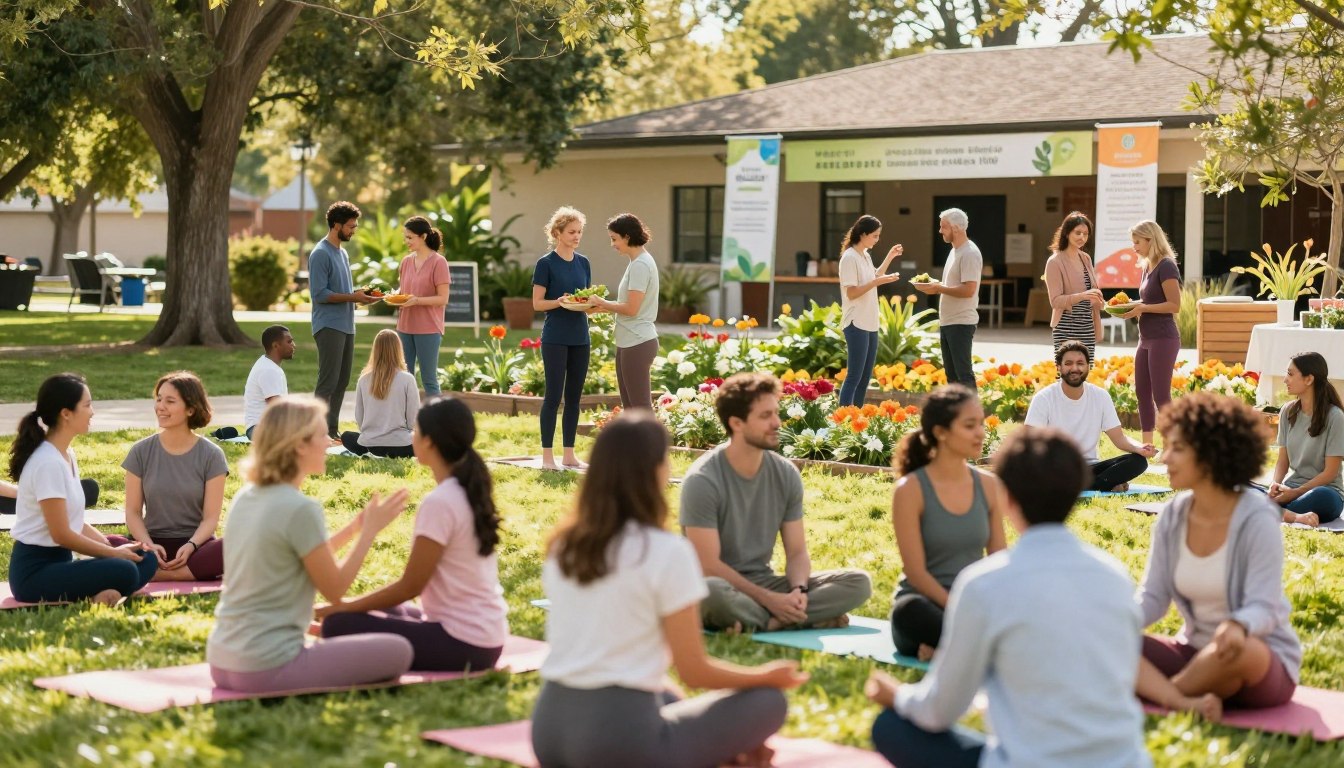
Did you know that social isolation can harm your physical health as much as smoking fifteen cigarettes daily? This startling fact highlights why finding a group of like-minded friends is vital for your health journey. Forming supportive bonds creates a safety net that keeps you motivated when times get tough.
Imagine having a team that celebrates every small victory with you. It is not just about exercise or nutrition; it is about the power of human connection. Research suggests that people with strong social ties live longer and more vibrant lives.
This guide explores how to foster a collective environment where everyone flourishes together. We will look at practical steps to transform your daily routine into a shared experience. By focusing on mutual encouragement, you can create lasting habits that stick.
Let’s dive into how you can start this journey today and improve your quality of life. Reaching your full potential is much more enjoyable when you walk the path with others.
Key Takeaways
- Strong social ties significantly increase longevity and overall happiness.
- Group support helps maintain long-term motivation for personal health goals.
- Shared objectives lead to higher success rates when adopting new habits.
- A collective environment prevents feelings of isolation during difficult transitions.
- Mutual encouragement makes challenging physical tasks feel much easier to complete.
- Creating a solid support network improves daily vitality and mental clarity.
Understanding the Power of Community in Wellness
The power of community in wellness lies in its ability to provide social support, motivation, and a sense of belonging. When individuals come together with a shared goal of achieving wellness, they create a collective environment that fosters growth and positive change.
Community-based wellness is more than just a trend; it’s a movement towards a healthier, more supportive society. By understanding what makes community-based wellness different, we can better appreciate its value and potential impact on our lives.
What Makes Community-Based Wellness Different
Community-based wellness programs differ from traditional wellness approaches in several key ways. Firstly, they emphasize the importance of social connections and collective action. By working together, community members can share knowledge, resources, and support, creating a robust network that enhances individual and community well-being.
Another significant aspect is the focus on inclusivity and diversity. Community-based wellness initiatives often strive to be inclusive, welcoming individuals from all walks of life and encouraging diverse perspectives on health and wellness.
The Science Behind Social Support and Health
Numerous studies have demonstrated the positive impact of social support and health. Social support can take many forms, including emotional, informational, and practical support. This support network can help individuals manage stress, improve mental health, and adopt healthier behaviors.
The science is clear: individuals with strong social connections tend to have better health outcomes, including lower blood pressure, healthier body mass indexes, and a reduced risk of chronic diseases.
| Health Outcome | With Strong Social Support | Without Strong Social Support |
|---|---|---|
| Blood Pressure | Lower | Higher |
| Body Mass Index (BMI) | Healthier | Less Healthy |
| Risk of Chronic Diseases | Reduced | Increased |
Benefits of Collective Wellness Practices
Engaging in collective wellness practices offers numerous benefits. It not only enhances individual well-being but also contributes to a healthier, more supportive community. Collective wellness practices can include group fitness activities, shared healthy eating initiatives, and collaborative stress management programs.
By participating in these collective practices, individuals can experience a sense of camaraderie and shared purpose, which can be a powerful motivator for maintaining a healthy lifestyle.
The benefits of collective wellness practices are multifaceted, ranging from improved physical health to enhanced mental well-being and a stronger sense of community.
Step 1: Identify and Connect with Your Wellness Community
Connecting with a wellness community that shares your values and goals is the initial step in building a sustainable wellness lifestyle. This community will serve as your support system, providing motivation and resources to help you achieve your wellness objectives.
Assess Your Current Social Circles
Begin by evaluating your current social network. Consider friends, family, and colleagues who share your interest in wellness. Identify individuals who could be part of your wellness community. You can start by:
- Discussing wellness topics with them
- Inviting them to participate in wellness activities
- Gauging their interest in forming or joining a wellness group
Explore Local Wellness Groups and Organizations
Look for local groups, gyms, studios, or organizations that focus on wellness. These could be yoga studios, running clubs, or nutrition workshops. Participating in local events is a great way to meet like-minded individuals.
Some ways to find these groups include:
- Searching online for wellness groups in your area
- Checking community boards at local health food stores or gyms
- Asking friends or acquaintances for recommendations
Leverage Online Platforms to Find Like-Minded Individuals
In today’s digital age, online platforms can be a powerful tool for connecting with others who share your wellness goals. Utilize social media and community apps to expand your reach.
Facebook Groups and Meetup
Facebook Groups and Meetup are excellent resources for finding and connecting with wellness communities. You can search for groups related to your interests and join discussions or events.
“The power of community is not just about numbers, it’s about the shared values and goals that unite individuals towards a common purpose.”
Neighborhood Apps and Community Boards
Apps like Nextdoor and local community boards on websites or apps like Slack can help you connect with people in your immediate area who share your interests.
- Join local wellness groups on these platforms
- Post about your interest in starting a wellness community
- Attend local events or meetups organized through these platforms

Step 2: Establish Shared Wellness Goals and Values
To foster a sense of unity and direction, it’s essential to establish shared wellness goals and values within your community. This step is crucial in creating a cohesive and supportive environment where members can work together towards common health objectives.
Conduct a Community Wellness Assessment
Before setting shared goals, it’s vital to understand the current state of your community’s wellness. Conducting a community wellness assessment helps identify the needs, interests, and health concerns of your members. This can be achieved through surveys, focus groups, or one-on-one interviews.
Key areas to assess include:
- Physical health and activity levels
- Mental health and stress management practices
- Nutritional habits and dietary preferences
- Social connections and support networks
As noted by the World Health Organization, “Community-based initiatives that are tailored to the specific needs of the community are more likely to be successful and sustainable.”
Define Common Health Objectives
Once you have a clear understanding of your community’s wellness landscape, it’s time to define common health objectives. These objectives should be specific, measurable, achievable, relevant, and time-bound (SMART).
| Objective | Description | Timeline |
|---|---|---|
| Increase physical activity | Organize weekly group fitness sessions | Within the next 3 months |
| Improve nutrition | Host monthly healthy cooking workshops | Within the next 6 months |
Create a Wellness Vision Statement Together
A wellness vision statement serves as a guiding document that outlines your community’s shared goals and values. It should be concise, inspiring, and inclusive.
“Our community is committed to fostering a culture of wellness, where every individual has the opportunity to thrive and reach their full potential.”
To create a wellness vision statement, gather input from community members through brainstorming sessions or online forums. Ensure that the statement reflects the collective aspirations and values of your community.

By following these steps, you can establish a strong foundation for your community-based wellness lifestyle, ensuring that all members are working together towards common goals.
Step 3: Design Your Community Based Wellness Lifestyle Activities
Designing a community-based wellness lifestyle requires a thoughtful approach to creating activities that cater to the diverse needs of the community. This involves understanding the interests, needs, and goals of your community members to develop engaging and inclusive wellness initiatives.
By focusing on various aspects of wellness, you can create a comprehensive program that supports the overall well-being of your community. This includes physical, mental, emotional, and nutritional wellness activities that are tailored to meet the unique needs of your community.
Physical Wellness Activities
Physical wellness is a crucial aspect of overall health, and there are numerous ways to promote it within your community. By organizing group activities, you can encourage social interaction, teamwork, and mutual support.
Group Fitness Classes and Walking Clubs
Group fitness classes and walking clubs are excellent ways to promote physical activity while fostering social connections. These activities can be tailored to different fitness levels, ensuring that everyone can participate and benefit.
Benefits of Group Fitness: Improved physical health, increased motivation, and enhanced social connections.
Community Sports and Outdoor Adventures
Community sports and outdoor adventures offer a fun and engaging way to stay physically active. Activities such as hiking, cycling, or team sports can be organized based on the community’s interests.
Outdoor activities not only improve physical health but also provide an opportunity to connect with nature and reduce stress.
Mental and Emotional Wellness Programs
Mental and emotional wellness is just as important as physical health. By providing programs that support mental well-being, you can help community members manage stress, build resilience, and improve their overall quality of life.
Meditation and Mindfulness Sessions
Meditation and mindfulness sessions are effective ways to promote mental and emotional well-being. These practices can help reduce stress, improve focus, and enhance emotional regulation.
Mindfulness Benefits: Reduced stress, improved emotional regulation, and enhanced self-awareness.
Support Groups and Wellness Circles
Support groups and wellness circles provide a safe and supportive environment where community members can share their experiences, receive support, and connect with others who face similar challenges.
These groups foster a sense of community and belonging, which is essential for emotional well-being.
Nutrition and Healthy Living Initiatives
Nutrition plays a vital role in overall wellness. By promoting healthy eating habits and providing education on nutrition, you can help community members make informed choices about their diet.
Community Gardens and Cooking Classes
Community gardens and cooking classes are excellent initiatives to promote healthy eating. These activities educate community members on how to grow their own food and prepare healthy meals.
Benefits of Community Gardens: Access to fresh produce, community engagement, and educational opportunities.
Healthy Potlucks and Recipe Exchanges
Healthy potlucks and recipe exchanges are fun and engaging ways to share healthy eating ideas and recipes. These events encourage community members to try new foods and cooking techniques.
Sharing meals and recipes can also foster a sense of community and social connection.
Step 4: Build Sustainable Systems and Expand Your Impact
To ensure the long-term success of your community wellness programs, it’s crucial to establish robust and adaptable systems. This involves several key strategies that not only sustain your initiative but also expand its reach and impact.
Create a Regular Schedule and Communication Channels
Establishing a regular schedule for your community wellness activities helps in maintaining consistency and keeping members engaged. This can include weekly or monthly events, workshops, or online sessions. Effective communication is also vital, and utilizing various channels such as social media groups, email newsletters, or community apps can help keep everyone informed and connected.
Assign Roles and Shared Responsibilities
Assigning roles and responsibilities to members can foster a sense of ownership and accountability within the community. This can range from organizing events to managing communication channels. By sharing responsibilities, you not only distribute the workload but also empower members to contribute their skills and talents.
Track Progress and Celebrate Milestones Together
Monitoring the progress of your community wellness initiatives is essential for understanding their impact and identifying areas for improvement. Celebrating milestones, whether big or small, also plays a significant role in motivating members and reinforcing the sense of community. Regular feedback sessions can provide valuable insights and help in adjusting strategies as needed.
Welcome New Members and Foster Inclusivity
As your community grows, it’s essential to have a welcoming approach for new members. This can involve orientation sessions, buddy systems, or mentorship programs. Fostering an inclusive environment where everyone feels valued and supported is crucial for the long-term sustainability of your community wellness programs.
Partner with Local Health Professionals and Organizations
Collaborating with local health professionals and organizations can significantly enhance the quality and reach of your community wellness initiatives. These partnerships can provide access to expert knowledge, resources, and networks, ultimately strengthening your community’s wellness ecosystem. Building these relationships can also open up new opportunities for growth and development.
Conclusion
Building a thriving community-based wellness lifestyle is a powerful way to enhance overall well-being and create a positive impact on individuals and the community as a whole. By understanding the power of community in wellness, identifying and connecting with like-minded individuals, establishing shared wellness goals, and designing inclusive activities, you can lay the foundation for a sustainable wellness community.
As you embark on this journey, focus on creating a culture of support and inclusivity, leveraging sustainable wellness practices that promote physical, mental, and emotional well-being. By doing so, you will not only foster a sense of belonging among community members but also contribute to the development of a healthier, more resilient community.
Wellness community building is a continuous process that requires effort, dedication, and a willingness to adapt and evolve. By following the steps outlined in this article and remaining committed to your community’s vision, you can create a lasting impact and help others achieve their wellness goals, ultimately contributing to a community based wellness lifestyle that benefits everyone involved.